
Spine Surgery
Expert surgical care for complex spinal conditions. Dr. Brandon McCutcheon combines advanced training, surgical technology, and well-established techniques in the care of every patient.
Understanding Spine Surgery
Spine surgery encompasses a wide range of procedures designed to treat conditions affecting the vertebrae, discs, nerves, and surrounding structures of the spinal column. While many spinal problems can be managed with conservative treatments like physical therapy, medication, and injections, surgery becomes necessary when non-surgical approaches fail to provide adequate relief or when there is risk of permanent neurological damage.
The goal of spine surgery is to relieve pain, restore function, prevent further deterioration, and improve quality of life. Modern spine surgery has evolved dramatically over the past decades, with advances in imaging, surgical techniques, instrumentation, and implant technology allowing for safer, more precise, and more effective procedures than ever before.
Dr. McCutcheon's approach to spine surgery is conservative and evidence-based. Surgery is recommended only when it offers a clear benefit over non-surgical treatment, when the diagnosis is certain, and when the patient understands both the potential benefits and risks. Every surgical recommendation is personalized based on the individual patient's condition, overall health, lifestyle, and goals.
When Is Spine Surgery Necessary?
The decision to proceed with spine surgery is never taken lightly. Surgery is typically considered when one or more of the following conditions exist:
- Progressive Neurological Deficit: Worsening weakness, numbness, or loss of bowel or bladder control indicating nerve or spinal cord compression that requires urgent decompression.
- Severe Persistent Pain: Debilitating pain that significantly impairs quality of life and has not responded to appropriate conservative treatment over an adequate trial period (typically 6-12 weeks or longer).
- Spinal Instability: Abnormal motion between vertebrae causing pain or risk of neurological injury, often due to degeneration, fracture, or previous surgery.
- Structural Deformity: Significant spinal curvature or alignment problems causing pain, functional limitations, or progressive deterioration.
- Cauda Equina Syndrome: A surgical emergency involving severe compression of the nerves at the base of the spinal cord, requiring immediate decompression to prevent permanent damage.
- Spinal Tumors or Infection: Masses or infections affecting the spine that require surgical removal or drainage to preserve neurological function.
Dr. McCutcheon carefully evaluates each patient's unique situation, including the severity of symptoms, imaging findings, overall health status, and response to conservative treatment, before recommending surgery. The decision is always made collaboratively with the patient after thorough discussion of all available options.
Types of Spine Surgery Procedures
Dr. McCutcheon performs a comprehensive range of spine surgery procedures, utilizing both traditional open techniques and minimally invasive approaches depending on what is best for each individual case:
Decompression Procedures
These surgeries relieve pressure on nerves or the spinal cord by removing bone, disc material, or other tissues causing compression:
- Microdiscectomy: Removal of herniated disc material pressing on nerve roots
- Laminectomy: Removal of the lamina to create more space for the spinal cord and nerves
- Laminotomy: Partial removal of the lamina for targeted decompression
- Foraminotomy: Enlargement of the neural foramen where nerve roots exit the spine
- Corpectomy: Removal of a vertebral body and adjacent discs for severe compression
Stabilization Procedures
These surgeries provide stability to the spine through fusion or instrumentation:
- Spinal Fusion: Joining two or more vertebrae together to eliminate painful motion
- Posterior Lumbar Interbody Fusion (PLIF): Fusion approached from the back
- Transforaminal Lumbar Interbody Fusion (TLIF): Fusion through the neural foramen
- Anterior Cervical Discectomy and Fusion (ACDF): Removal of cervical disc and fusion from the front of the neck
- Lateral Lumbar Interbody Fusion (LLIF): Fusion approached from the side
- Instrumented Fusion: Use of screws, rods, and plates to stabilize the spine
Motion Preservation Procedures
This surgery maintains spinal motion while addressing the underlying problem:
- Artificial Disc Replacement: Replacement of damaged disc with motion-preserving implant
Corrective Procedures
These surgeries address spinal deformity and alignment:
- Scoliosis Correction: Straightening and fusion of curved spine
- Kyphosis Correction: Correction of forward curvature
- Osteotomy: Cutting and realigning bone to correct deformity
The Surgical Process: What to Expect
Before Surgery
Preparation is key to successful outcomes. Dr. McCutcheon and his team will provide detailed pre-operative instructions, including medication management, dietary guidelines, and logistical arrangements. Pre-surgical testing may include blood work, EKG, chest X-ray, and medical clearance from your primary care physician. You'll have the opportunity to ask questions and address any concerns before the procedure.
During Surgery
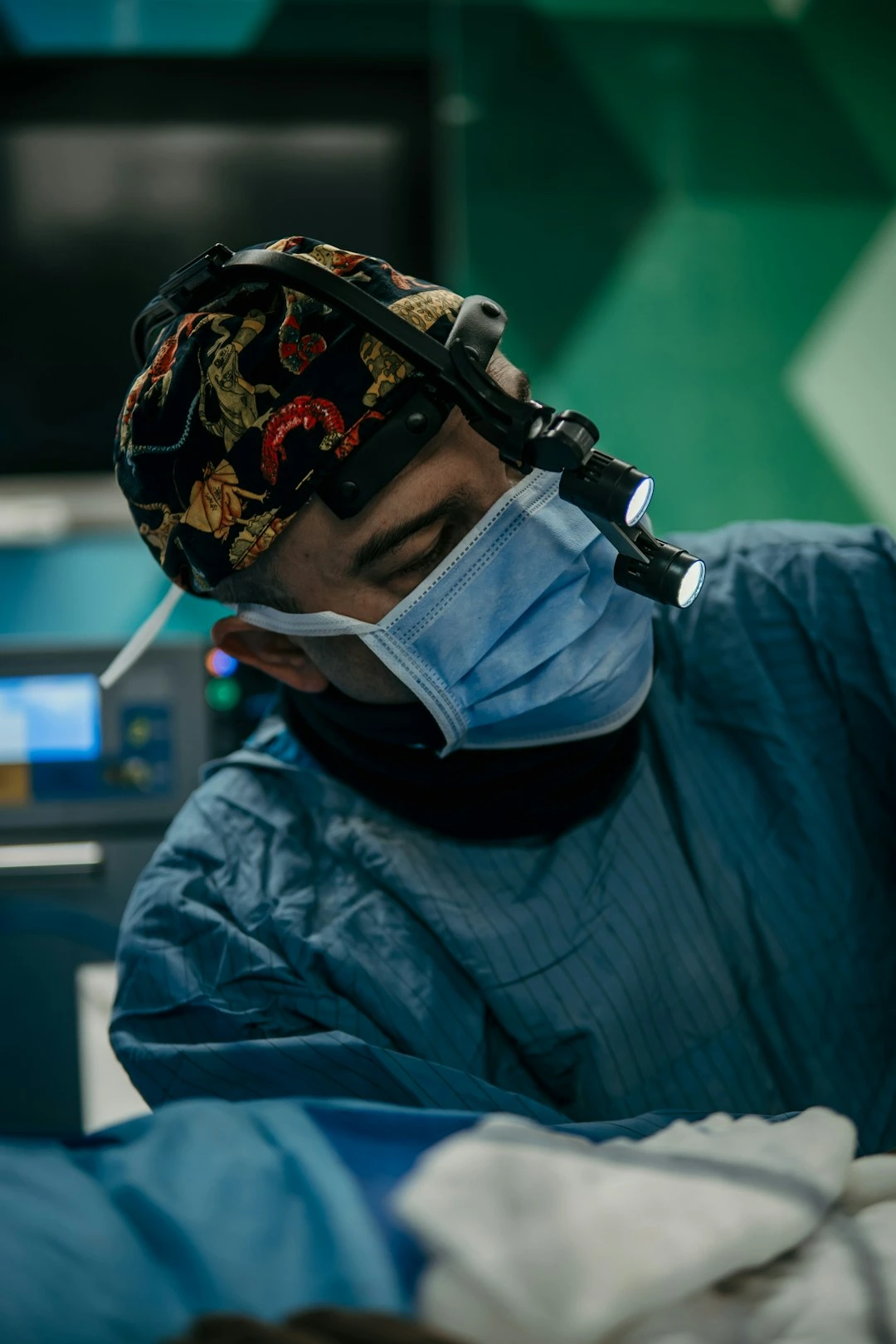
Most spine surgeries are performed under general anesthesia, meaning you'll be completely asleep and pain-free. Surgery duration varies depending on the complexity of the procedure, ranging from one to several hours. Dr. McCutcheon uses advanced surgical techniques, real-time imaging guidance, andmodern equipment to support precision and safety. Intraoperative neuromonitoring may be used to continuously assess nerve function throughout the procedure.
After Surgery
Recovery begins immediately in the post-anesthesia care unit (PACU), where your vital signs are closely monitored. Depending on the procedure, you may go home the same day or stay in the hospital for one to several nights. Pain management, early mobilization, and gradual return to activities are key components of recovery. Many patients notice early relief from nerve compression symptoms.
Recovery and Rehabilitation
Recovery from spine surgery is a gradual process that varies depending on the specific procedure performed, the patient's overall health, and adherence to post-operative instructions. Dr. McCutcheon provides detailed guidance on activity restrictions, wound care, medication management, and warning signs that require immediate attention.
Most patients begin walking within hours of surgery, which helps prevent complications and promotes healing. Physical therapy typically begins within the first few weeks and plays a crucial role in restoring strength, flexibility, and function. Return to work depends on the nature of your job and the complexity of surgery, ranging from a few weeks for desk work to several months for physically demanding occupations.
Follow-up appointments are scheduled at regular intervals to monitor healing, assess progress, and address any concerns. Imaging studies may be performed to confirm proper healing and implant position. Long-term success requires commitment to maintaining a healthy spine through proper body mechanics, regular exercise, weight management, and lifestyle modifications.
Understanding Risks and Complications
As with any surgical procedure, spine surgery carries certain risks. While serious complications are rare, it's important to understand the potential risks before making a decision. These may include infection, bleeding, blood clots, nerve injury, hardware failure, failure to achieve fusion, persistent pain, and complications related to anesthesia.
Dr. McCutcheon takes extensive precautions to minimize these risks, including meticulous surgical technique, prophylactic antibiotics, blood clot prevention protocols, advanced imaging guidance, and comprehensive post-operative monitoring. The vast majority of patients undergo spine surgery without significant complications and achieve substantial improvement in their symptoms and quality of life.
During your consultation, Dr. McCutcheon will discuss the specific risks related to your recommended procedure and answer any questions you may have. Understanding both the benefits and risks allows you to make an informed decision about your care.
Why Choose Premier Neurosurgery for Spine Surgery
Dr. McCutcheon's training at two of the nation's most prestigious institutions—UC San Diego School of Medicine and Mayo Clinic—has provided him with expertise in the full spectrum of spine surgery techniques. His commitment to staying current with the latest advances means patients benefit from current, well-supported treatments.
What sets Premier Neurosurgery apart is the combination of surgical excellence and personalized care. Dr. McCutcheon takes the time to understand each patient's unique situation, explain options clearly, and develop treatment plans aligned with individual goals and values. From the initial consultation through long-term follow-up, patients receive attentive, compassionate care from a physician who is genuinely invested in their well-being.
The use of advanced technology, including minimally invasive techniques when appropriate, supports surgical precision. But technology alone doesn't define excellent care—it's the combination of skill, judgment, experience, and genuine concern for patients that makes the difference.
Is Spine Surgery Right for You?
If you're experiencing persistent back or neck pain, nerve symptoms, or have been told you may need spine surgery, schedule a consultation with Dr. McCutcheon. A comprehensive evaluation will help determine the best treatment approach for your specific condition.
Our Surgical Principles
Related Procedures
Minimally Invasive Spine Surgery
View All Procedures
Conditions We Treat
Disc Herniation
Spinal Stenosis
Radiculopathy
View All Conditions
Have Questions?
Contact our office to learn more about spine surgery and whether it may be appropriate for your condition.
Take the Next Step Toward Relief
Schedule a consultation with Dr. McCutcheon to discuss your spine condition and explore your treatment options.