
Cervical Myelopathy
Cervical myelopathy is one of the most serious spinal conditions an adult can develop, but it is also one that many people live with for years without a proper diagnosis. If you are experiencing unexplained clumsiness, hand weakness, balance problems, or difficulty with tasks that used to come easily, Dr. Brandon McCutcheon at Premier Neurosurgery can help you get to the bottom of it.
What Is Cervical Myelopathy?
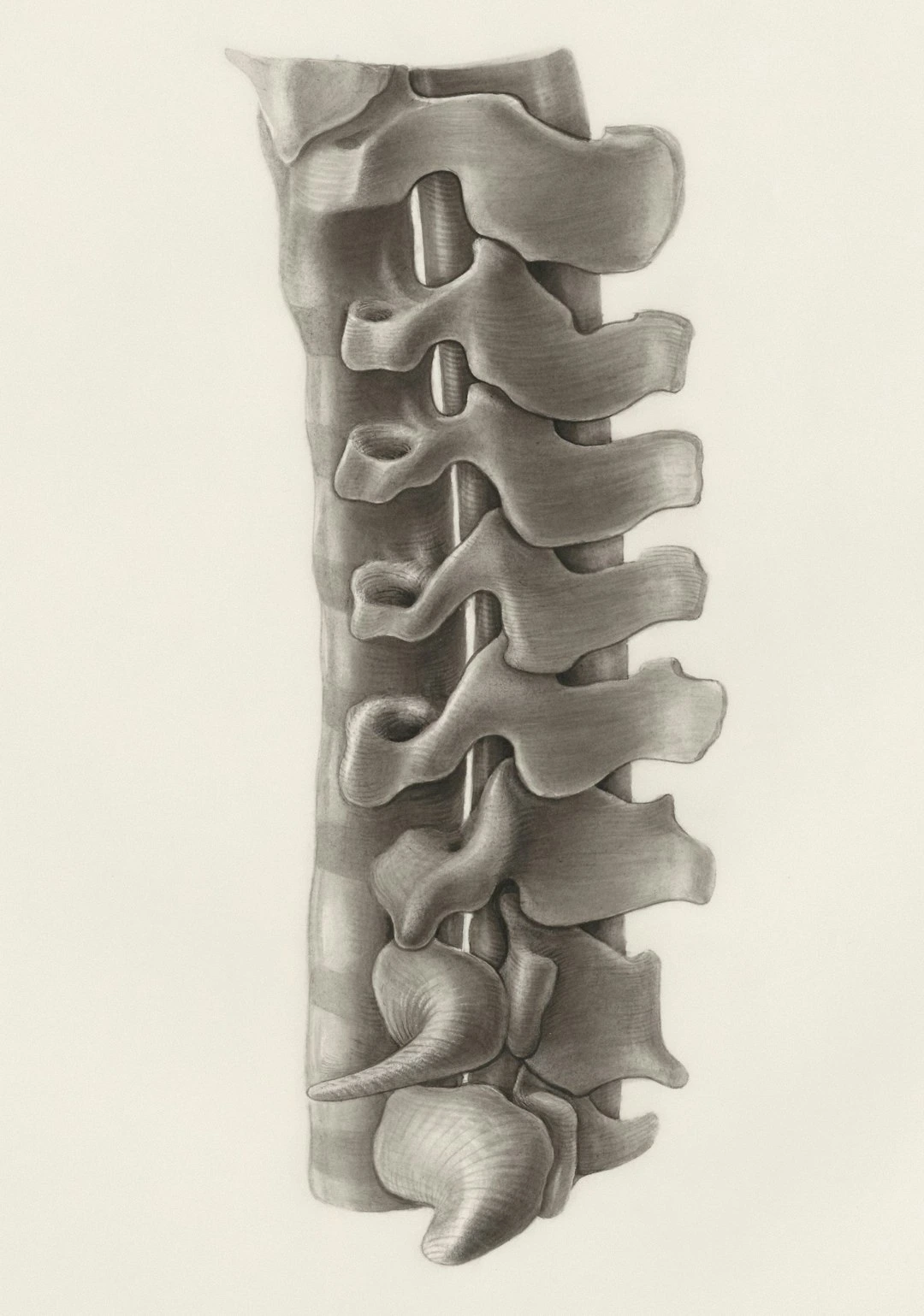
Cervical myelopathy is a neurological condition caused by compression of the spinal cord itself in the cervical region of the spine, the seven vertebrae in your neck. Unlike radiculopathy, which involves compression of individual nerve roots and produces localized symptoms, myelopathy involves the spinal cord, which means that its effects can be widespread and affect function throughout the body.
The spinal cord carries signals between the brain and the rest of the body. When it is compressed in the neck, those signals are disrupted in ways that affect movement, coordination, sensation, and in more advanced cases, bladder and bowel control. Because the symptoms often develop gradually and can mimic other conditions like Parkinson's disease or coordination issues, cervical myelopathy is frequently underdiagnosed or misattributed for months or even years.
What Causes Cervical Myelopathy?
The most common cause of cervical myelopathy is age-related degenerative changes in the cervical spine. As the discs between the vertebrae degenerate and lose height, they can bulge backward into the spinal canal. Bone spurs, the body's attempt at stabilizing a degenerating disc, can grow into the canal from the vertebral bodies and facet joints. The ligament that runs along the back of the spinal canal, called the ligamentum flavum, can thicken as we age. A combination of these changes can reduce the diameter of the spinal canal to the point where the spinal cord is being compressed.
Cervical myelopathy can also be caused or worsened by a congenitally narrow spinal canal, disc herniation, instability, inflammatory arthritis such as rheumatoid arthritis, or less commonly, tumors or infections involving the cervical spine. Trauma to the cervical spine in a patient who already has a narrowed canal can cause a sudden deterioration of myelopathic symptoms.
Recognizing the Symptoms
The symptoms of cervical myelopathy are often subtle at first and can be easy to attribute to normal aging. Many patients are surprised to learn that their complaints, which they thought were simply part of getting older, are actually signs of spinal cord compression that can and should be treated.
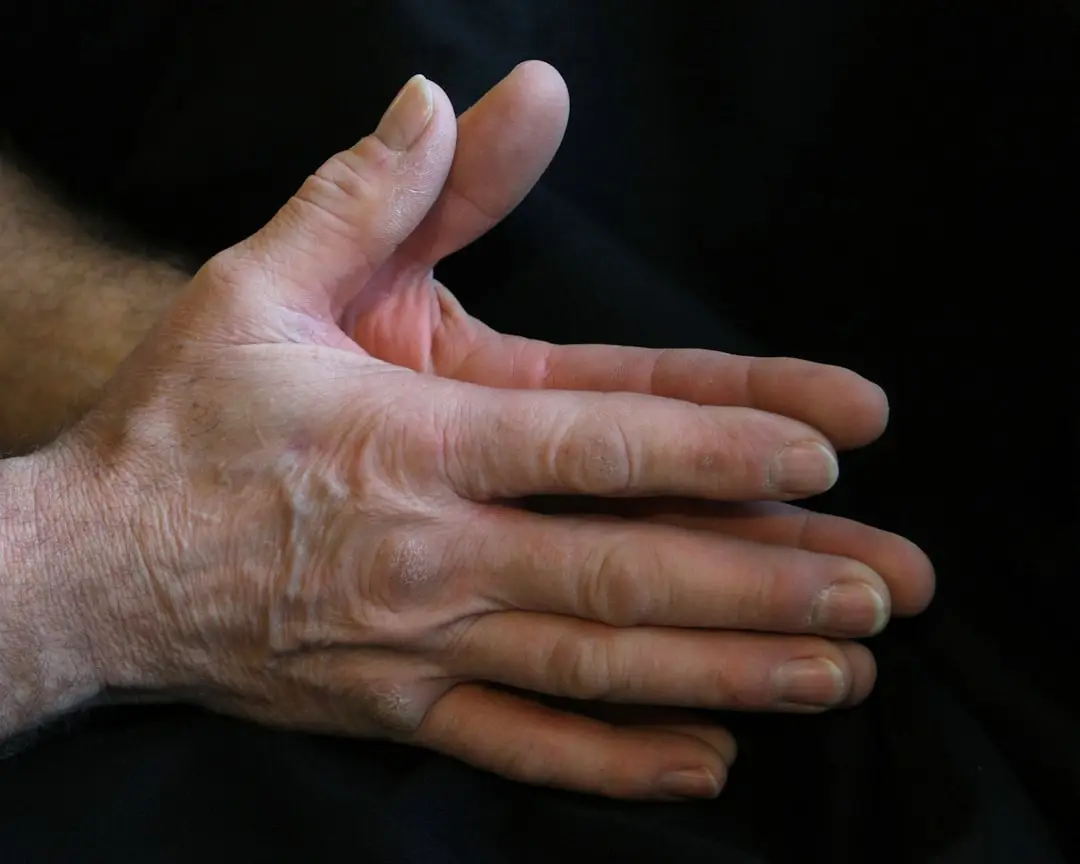
Hand and fine motor changes are frequently among the first symptoms noticed. Patients may find it increasingly difficult to button their shirts, use utensils, pick up coins, or write. A sense of poor coordination in the hands is common. Grip strength may diminish. Numbness or a strange sensation in the hands, such as tingling or a feeling that they are always cold, may occur.
Balance and gait problems are another hallmark of cervical myelopathy. Patients may notice that they feel unsteady on their feet, particularly in the dark or when walking on uneven surfaces. Some describe their legs as feeling stiff or heavy. Tripping or stumbling becomes more frequent, and the ability to walk quickly or for long distances may decline. These balance issues are often more pronounced than would be expected from simple leg weakness.
Neck pain is not always a prominent feature of cervical myelopathy. Some patients have no neck pain at all, while others experience stiffness or discomfort. Arm pain, numbness, or tingling can occur if there is also nerve root compression. In more advanced cases, patients may develop changes in bowel or bladder function, including urgency, hesitancy, or incontinence.
How Dr. McCutcheon Diagnoses Cervical Myelopathy
Diagnosing cervical myelopathy requires a careful clinical evaluation combined with imaging studies. Dr. McCutcheon will ask detailed questions about the onset, progression, and nature of your symptoms. He will perform a thorough neurological examination, testing your reflexes, coordination, strength, sensation, and gait. Certain physical findings, such as hyperactive reflexes, upgoing toes on reflex testing, or a positive Hoffmann's sign, can indicate spinal cord compression.
MRI is the gold standard for diagnosing cervical myelopathy. It provides detailed images of the spinal cord, the degree of compression, and any signal changes within the cord itself that suggest injury. In some cases, flexion-extension X-rays or CT scans may be ordered to assess spinal alignment and bone structure. Early diagnosis is important because once spinal cord injury occurs, it may not be fully reversible, even with treatment.
Treatment Options for Cervical Myelopathy
In cases of mild, stable myelopathy, careful observation may be appropriate, though it is important to understand that cervical myelopathy is generally a progressive condition. Most patients with moderate to severe myelopathy or documented progression of symptoms benefit from surgery.
The goal of surgery is to decompress the spinal cord and prevent further neurological deterioration. Depending on the location and extent of compression, Dr. McCutcheon may recommend an anterior cervical discectomy and fusion (ACDF), in which the discs and bone spurs causing compression are removed from the front of the neck, or a posterior cervical laminectomy, in which the spinal canal is opened from the back. In some cases, a combination of approaches is needed.
Surgery for cervical myelopathy is aimed at halting the progression of symptoms and allowing the spinal cord to recover to the extent possible. Many patients experience improvement in coordination, balance, and hand function following decompression, particularly if surgery is performed before severe cord damage has occurred. Dr. McCutcheon uses advanced surgical techniques and careful preoperative planning to maximize safety and outcomes.
Living with Cervical Myelopathy: When to Seek Help
If you are experiencing worsening clumsiness, changes in your ability to use your hands, difficulty walking, or unexplained balance problems, it is important to seek an evaluation. These symptoms should not be dismissed as simply a normal part of aging.
Cervical myelopathy is a condition where early intervention can make a significant difference in long-term outcomes. The longer the spinal cord remains compressed, the more likely it is that permanent damage will occur. If you have been diagnosed with spinal stenosis in your neck or have a history of neck problems, it is especially important to be alert to these symptoms.
Dr. McCutcheon and the team at Premier Neurosurgery have extensive experience in diagnosing and treating cervical myelopathy. We are here to provide the expert care you need to preserve your neurological function and maintain your quality of life.
Concerned About Cervical Myelopathy?
Schedule a consultation with Dr. McCutcheon for a thorough evaluation and personalized treatment plan.