
Minimally Invasive Spine Surgery
Advanced surgical techniques that provide effective treatment for spinal conditions through smaller incisions, less tissue disruption, and faster recovery. Dr. Brandon McCutcheon specializes in minimally invasive approaches that deliver excellent outcomes with reduced surgical impact.
What Is Minimally Invasive Spine Surgery?
Minimally invasive spine surgery (MISS) refers to a set of advanced surgical techniques designed to treat spinal conditions while minimizing damage to surrounding muscles, ligaments, and tissues. Unlike traditional open surgery, which requires large incisions and significant muscle retraction to access the spine, minimally invasive approaches use specialized instruments, endoscopes, and image guidance to perform surgery through much smaller incisions.
The principles behind minimally invasive spine surgery are simple: preserve healthy tissue, reduce surgical trauma, and achieve the same clinical goals as traditional surgery while improving the recovery experience. By using tubular retractors that gently separate muscle fibers rather than cutting through them, surgeons can create a working corridor to the spine that causes far less collateral damage.
These techniques have been refined and proven over decades of clinical use, and today represent the standard of care for many spinal conditions. Dr. McCutcheon is extensively trained in minimally invasive techniques and uses them whenever they are appropriate for a patient's specific condition.
Benefits of Minimally Invasive Spine Surgery
The advantages of minimally invasive spine surgery go far beyond smaller scars.
Blood loss is also minimized with these techniques, which reduces the need for transfusions and lowers the risk of complications.
The size of the incision, postoperative discomfort, hospital stay, and scarring depend on the procedure and the individual patient.
Other benefits include smaller incisions that heal more quickly, reduced risk of infection, and lower rates of muscle atrophy and weakness following surgery.
Conditions Treated with Minimally Invasive Techniques
Minimally invasive spine surgery is highly effective for a wide range of spinal conditions. Dr. McCutcheon routinely uses these techniques to treat:
- Herniated Discs: Microdiscectomy performed through a small incision can remove herniated disc material pressing on nerve roots, providing relief from sciatica and radicular pain.
- Spinal Stenosis: Minimally invasive decompression techniques, including laminectomy and foraminotomy, can relieve nerve compression caused by narrowing of the spinal canal or neural foramen.
- Degenerative Disc Disease: Minimally invasive fusion procedures stabilize painful spinal segments while preserving surrounding structures.
- Spondylolisthesis: Minimally invasive spinal fusion can realign vertebrae that have slipped out of position and provide long-term stability.
- Spinal Fractures: Minimally invasive stabilization techniques can treat fractures caused by trauma or osteoporosis
- Spinal Tumors: In select cases, minimally invasive approaches can be used to remove tumors or decompress the spinal cord.
Not every patient or every condition is a candidate for minimally invasive surgery. Some complex cases require traditional open approaches for optimal results. Dr. McCutcheon will carefully evaluate your condition and discuss whether minimally invasive techniques are appropriate in your case.
The Minimally Invasive Approach at Premier Neurosurgery
Dr. McCutcheon's approach to minimally invasive spine surgery is built on precision, planning, and patient-centered care. Every procedure begins with a thorough evaluation that includes advanced imaging, careful assessment of your symptoms and neurological function, and a detailed discussion of your treatment goals.
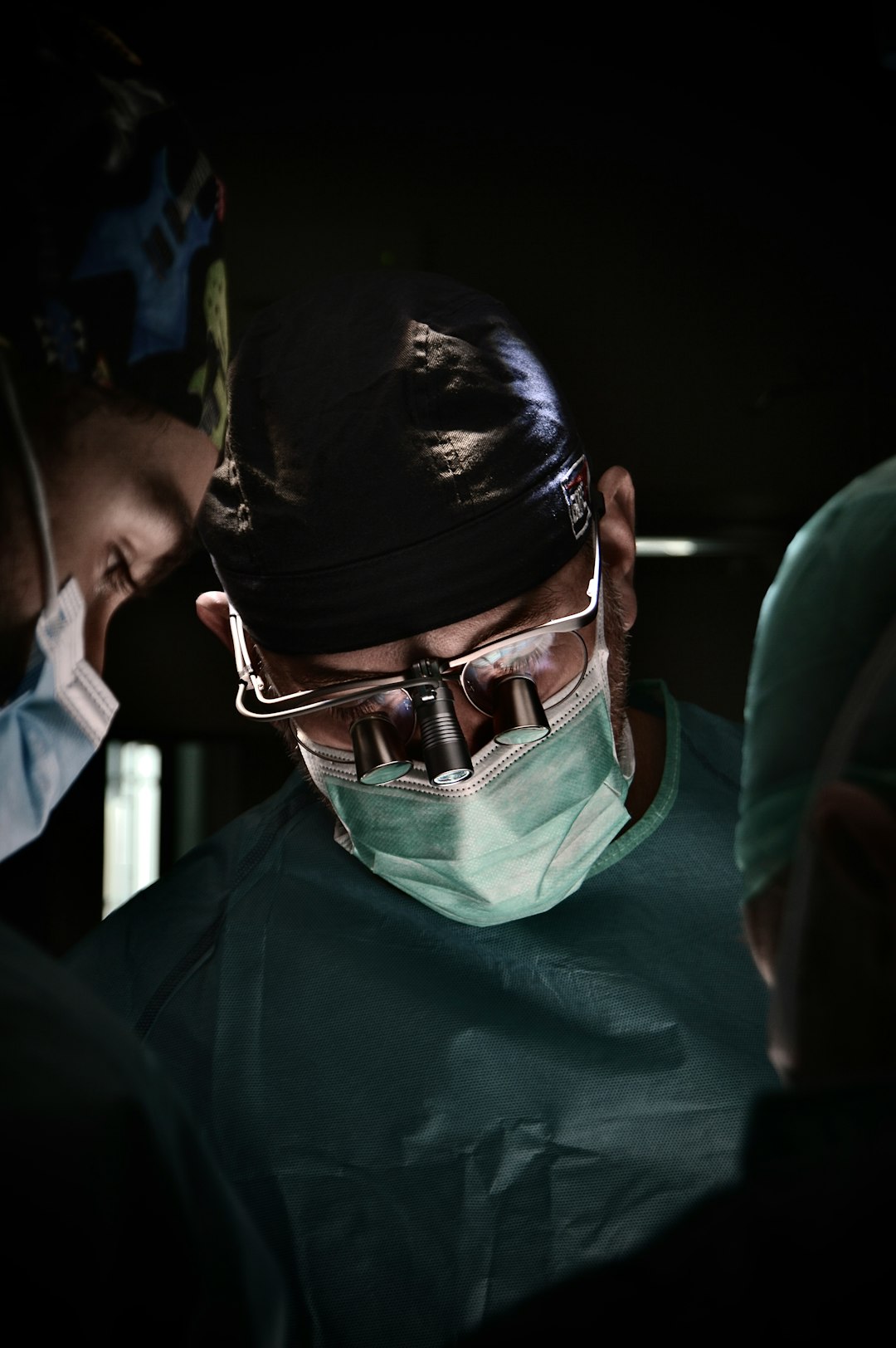
During surgery, Dr. McCutcheon uses specialized instruments and real-time image guidance to navigate to the affected area with millimeter precision. Tubular retractors create a direct path to the spine while gently separating muscle fibers, and high-definition microscopes or endoscopes provide clear visualization of the surgical field. This allows for targeted treatment of the problem area while leaving healthy structures intact.
Recovery is carefully managed with a combination of pain control, early mobilization, and physical therapy guidance. Most patients are walking within hours of surgery and are discharged home the same day or the following morning. Follow-up care includes regular assessments to monitor healing and support recovery.
What to Expect: Recovery and Outcomes
One of the most significant advantages of minimally invasive spine surgery is the recovery timeline. Because muscle damage is minimized, most patients experience less pain and are able to resume light activities within days to weeks of surgery. Many patients are able to return to work within 2-4 weeks, depending on the nature of their job and the specific procedure performed.
Pain relief from nerve compression is often immediate or occurs within the first few days after surgery. Gradual improvement in strength and function continues over the following weeks and months as inflammation resolves and nerves recover.
ong-term outcomes for minimally invasive spine surgery are well documented. Studies show that for appropriately selected patients, minimally invasive techniques can achieve clinical results comparable to traditional open surgery, often with less blood loss and a faster early recovery.
Dr. McCutcheon will provide you with detailed post-operative instructions, activity guidelines, and a clear timeline for recovery. He and his team remain available to answer questions and address any concerns throughout your healing process.
When Is Minimally Invasive Surgery Not an Option?
While minimally invasive techniques are appropriate for many patients, there are situations where traditional open surgery may be necessary or preferable. These include cases involving severe spinal deformity, extensive spinal instability, multilevel complex procedures, or situations where adequate visualization and access cannot be achieved with minimally invasive methods.
Dr. McCutcheon will always recommend the approach that offers the best chance for a successful outcome based on your unique anatomy and condition. If minimally invasive surgery is not appropriate, he will explain why and discuss the best alternative options. His priority is always your safety and the effectiveness of your treatment, not the type of incision used.
Find Out If Minimally Invasive Surgery Is Right for You
If you're dealing with back pain, neck pain, sciatica, or other spinal symptoms, a consultation with Dr. McCutcheon can help determine whether minimally invasive spine surgery is an option for you. With a thorough evaluation and personalized treatment plan, you can take the first step toward relief and recovery.

Quick Facts
Related Conditions
Disc Herniation
Spinal Stenosis
Radiculopathy
Sciatica
Have Questions?
Contact our office to learn more about spine surgery and whether it may be appropriate for your condition.
Ready to Explore Your Treatment Options?
Schedule a consultation with Dr. McCutcheon to discuss whether minimally invasive spine surgery is right for you.