Advanced Surgical Procedures
Modern neurosurgical techniques combining precision, technology, and expertise.
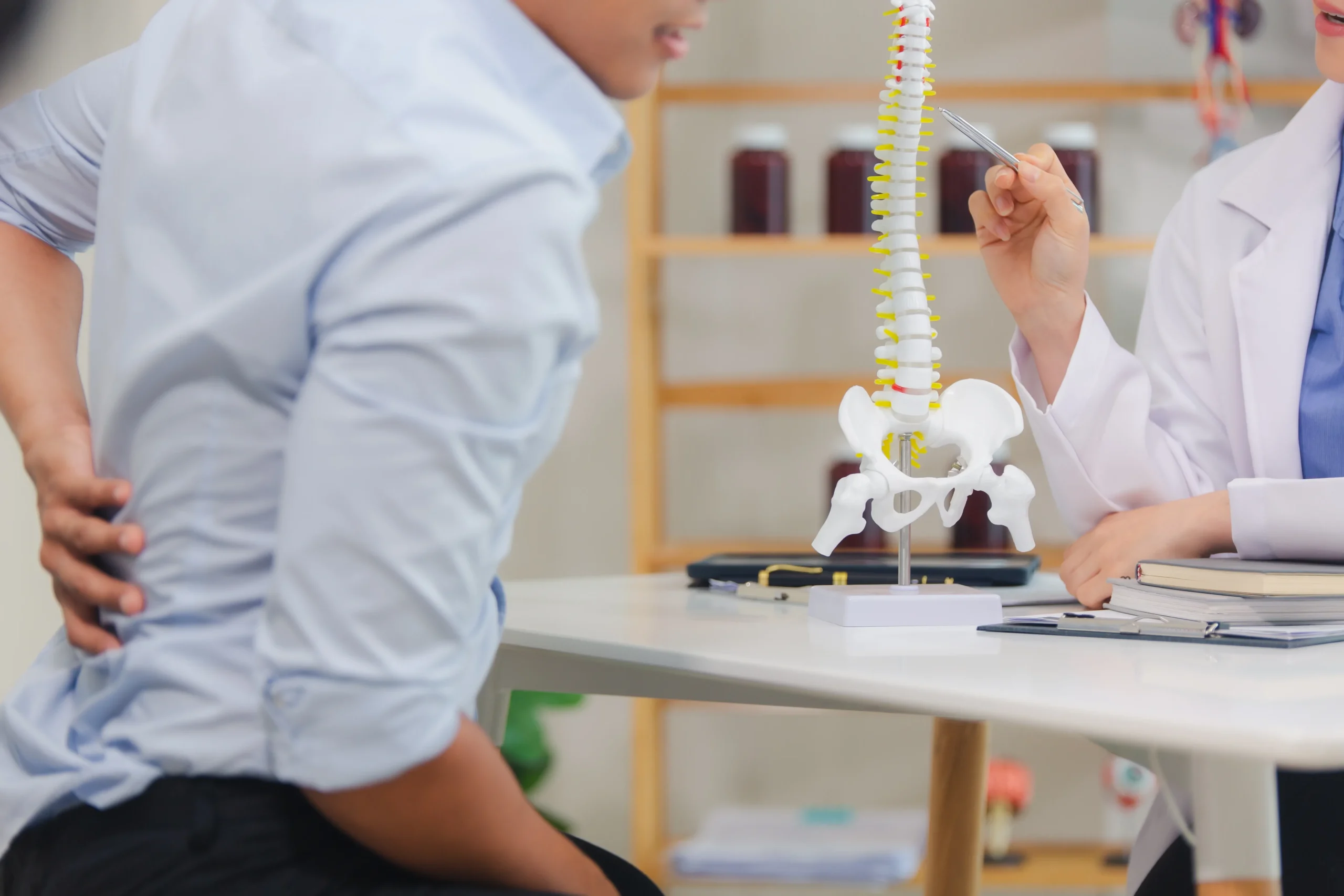
Innovative Surgical Solutions
Dr. McCutcheon utilizes the latest advances in neurosurgical technology to provide patients with effective, evidence-based treatment options, using the least invasive approach appropriate for each patient.
With minimally invasive techniques, every surgery is performed with precision and care.
Our Procedures
Comprehensive surgical solutions for spinal and neurological conditions
Minimally Invasive Spine Surgery
Advanced techniques that allow treatment of spinal conditions through smaller incisions, preserving muscle and tissue where the approach is appropriate.
Potential Benefits:
Commonly Used For:
Artificial Disc Replacement
A motion-preserving alternative to spinal fusion that replaces damaged cervical or lumbar discs with artificial implants, maintaining natural spine movement.
Potential Benefits:
Commonly Used For:
Spinal Decompression Surgery
Procedures designed to relieve pressure on the spinal cord or nerve roots by removing bone, disc material, or other tissues causing compression.
Potential Benefits:
Commonly Used For:
Spinal Fusion
A procedure that permanently joins two or more vertebrae to eliminate motion between them, providing stability and pain relief for various spinal conditions.
Potential Benefits:
Commonly Used For:
Microdiscectomy
A minimally invasive procedure to remove herniated disc material pressing on nerve roots, to relieve pressure on an affected nerve when a herniated disc is the cause of symptoms.
Potential Benefits:
Commonly Used For:
Laminectomy/Laminotomy
Removal of part or all of the lamina (back part of vertebra) to relieve pressure on the spinal cord or nerves, creating more space in the spinal canal.
Potential Benefits:
Commonly Used For:
Foraminotomy
Enlargement of the neural foramen (opening where nerve roots exit the spine) to relieve nerve compression and reduce radiating pain.
Potential Benefits:
Commonly Used For:
Cervical Spine Surgery
Specialized procedures for the neck region, including anterior and posterior approaches for disc replacement, fusion, and decompression.
Potential Benefits:
Commonly Used For:
Our Surgical Approach
A methodical, patient-centered process from evaluation to recovery
1
Comprehensive Evaluation
Thorough assessment including medical history, physical examination, and advanced imaging to accurately diagnose your condition.
2
Treatment Planning
Collaborative discussion of all treatment options, from conservative care to surgical interventions, tailored to your specific needs.
3
Surgical Excellence
Utilization of the most appropriate and advanced surgical techniques to achieve optimal outcomes with minimal invasiveness.
4
Recovery Support
Comprehensive post-operative care and rehabilitation guidance to support the best possible recovery.
Advanced Surgical Technology
Premier Neurosurgery uses surgical techniques and technologies selected for each patient's needs, including:
Individual results and recovery vary. The potential benefits, risks, alternatives, and expected recovery depend on the patient's diagnosis, health, anatomy, and specific procedure. Information on this website is for general educational purposes and is not a substitute for an individualized medical evaluation.
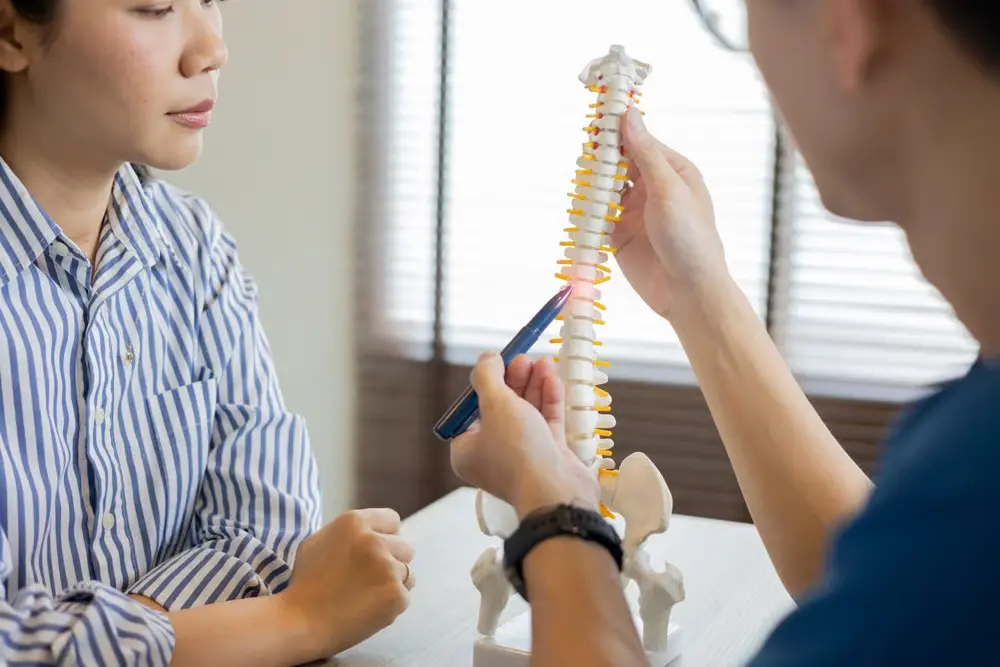
Ready to Explore Your Treatment Options?
Schedule a consultation with Dr. McCutcheon to learn which procedure may be right for you.